Projects for the Week: Tailoring Research and Jacket Muslin

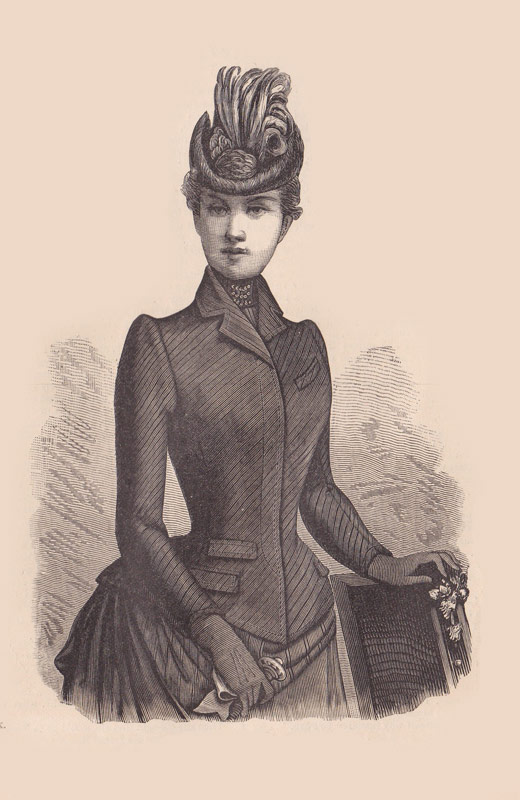
I’ve been a Victorian sewing researching FOOL for the last week or so. (My hourly breakdown for the week at the bottom of the post bears this out.) I sewed a muslin today for my current drafting project, this 1880s pattern:

1887-young-ladys-tailor-jacket

I’m going to have to give it another couple of tries; the shoulder line is farther back than the typical center shoulder seam, and I didn’t account for that properly when I worked it up digitally. Also, when making something like this in heavier fabric the failings of my current bodice sloper become really obvious; my armhole gapes way more than I’m okay with. So back to the drawing board with this one. The plus side: my set in sleeves are getting much better! Also first time I’ve ever sewn up a two piece sleeve and I like the fit quite a bit. I wasn’t sure how this would work out without a bustle, either, but it wasn’t bad at all. Something I’ve learned about 1880s patterns–they include no seam allowances, no grain line indications and their instructions are as helpful as: “draft a concealed button fly and add buttons,” or “add facings” even though there are no pattern pieces for facings. So it’s quite a stretch for my skills. Also, pattern illustrations lie. But we all know that all too well.

I’ve been researching jackets and old school tailoring generally and thought I’d share some of my finds! My favorite things right now tend to be very fitted and formal, with a classic bodice shaping:

They also kind of look like something Tywin Lannister would wear as armor, but hey, a good fit is a good fit.

Hourly tracking:

1/2 8hrs of reading and looking up Victorian tailoring books. Archive.org is my bff. Google play has a lot of resources too, but, oddly enough, their search function is crap so you kind of have to stumble over things by looking at suggestions. Direct searching by name or author doesn’t work well at all.

1/3 10hrs of reading W. D. F. Vincent tailoring books and women’s cutting historical manuals

1/4 1hr of Pinterest surfing of vintage fashion

1/5 2hrs Pinterest surfing: Alexander McQueen, women’s tailored jackets

1/6 1hr reading Gertie Sews Vintage Casual

1/7 3hrs studying fashions, fashion history on Pinterest, drafting a pattern for a lady’s tailored jacket circa 1880s, deconstructing old clothes for raw materials
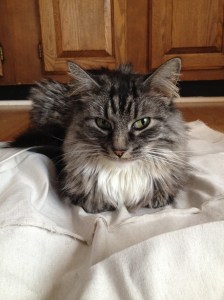
IMG_5036
Move it, kitteh, I’m trying to cut fabric!

1/8 3hrs deconstructing old clothes for raw material, pattern drafting, printing and assembling my tailored jacket pattern

IMG_5033
Be it ever so humble, I drafted it myself. 🙂

1/9 10hrs sewing a muslin of the jacket, researching fit issues, attempting a rub off duplication of a similar bodice to study the fit

IMG_5038
Kitteh stole my chair. 

For a total of: 38hrs this week, and grand total of 55h35min toward my 10000 hours!



Victoria Baylor’s 10,000 Hours of Sewing Challenge

Being a BurdaStyle lurker/sometimes student of Burda Style Academy’s video classes, Victoria Baylor’s tailoring and fit courses sparked my interest, which led me to her website, Ten Thousand Hours of Sewing. Of course I immediately fell in love with the idea of taking her challenge, which she outlines in depth:

10,000 Hour Sewing Challenge Rules

I have to do the following:

-Try to Complete a sewing project each week (2 weeks max for complicated projects.

– Devote 1000 hours a year to sewing or doing sewing related activities. This amounts to 83 hours a month or ~3 hours a day.

– Keep track of all the time I spend sewing and reading, studying, or watching sewing related materials and post it.

– Explore pattern drafting

– Explore draping

-Familiarize myself with the work of famous fashion designers.


This helps me meet related personal goals of blogging more about my learning process, and to complete more projects before my attention deficit pulls me off in some other direction. Since my sewing interests are very broad, my self-challenge is broad too–I’m including my work on the sewing machines themselves, since they’re the tools of my attempted craftsmanship. I’m also kind of lumping in my vintage book digitization efforts, since I’m getting myself elbow deep in vintage sewing wisdom on a semi daily basis.

giphy

Here is my personalized version of the challenge:

Official Start Date: 1/1/16

-complete one sewing project per week

-digitize two resources per week, whether that’s vintage fashion, sewing lessons, or vintage patterns for reproduction

-1000hrs/year or about 3 hours per day

-produce one digital pattern per week

-blog about my obsessions/progress/struggles/obscene tirades twice per week

It’s a lot. But I do a lot as it is, and this will help focus me, I think, and make me feel more accomplished about how much I’m learning (and have learned) over the last two-three years of teaching myself even if I still am not happy with my basic bodice sloper after said three years.

So here’s what I’ve been working on/reading on over the last week and a half since I started tracking my hobby time:

12/22/15 1hr working on 1904 treadle. It now sews proper stitches, adjusted shuttle tension, cleaned tension assembly. Needs to have the stitch length mechanism freed up.

12/23/15 20min studying infinity scarf construction

12/24/15 2hrs sewing infinity scarf and my scarf tie chiffon blouse project

12/25/15 2 hrs reading my Xmas gifts! The Cut of Women’s Clothing by Waugh and Vionnet by Betty Kirche (i feel so loved <3)

12/27/15 2hrs doing fashion research on blazers, waistcoats, Victorian era hoods (because I was cold when I was reading and that’s how my brain works)

12/28/15 1hr sketching and studying designs

12/30/15 1hr reading Waugh, 2hrs working on chiffon scarf tie blouse, 1hr researching wrap patterns

12/31/15 1.5hrs research on shrugs and boleros. 45min sketching and planning coat project. 3hrs designing and testing shrug pattern. Finished object: black chiffon shrug!

For a grand total of…17h 35min!

Which is pretty remarkable given that I also fell down a David Bowie rabbit hole over the holiday because I JUST found out he has a new album out this week. And as if David Bowie in his natural state wasn’t enough postmodern wonderful, here’s Michael C. Hall, performing the new single as David Bowie, before the album even comes out. (Michael C. Hall is the star of an off Broadway play cowritten by Bowie called Lazarus, a continuation of The Man Who Fell to Earth.) swoonage, all around.

Happy holidays 🙂


Weekend Project: Treadle Tune Up!

I have crafter ADD.

I am still working on the perfectly fitted yet moveable bodice/sleeve–I’m on attempt #6 in the last three weeks, I believe, and have used up all of my muslin hoard in various attempts, but will be launching into the next iteration tomorrow. I let myself do one attempt every 2-3 days lest the frustration reach throw-a-sewing-machine point. I think I’ve almost got it, though 🙂

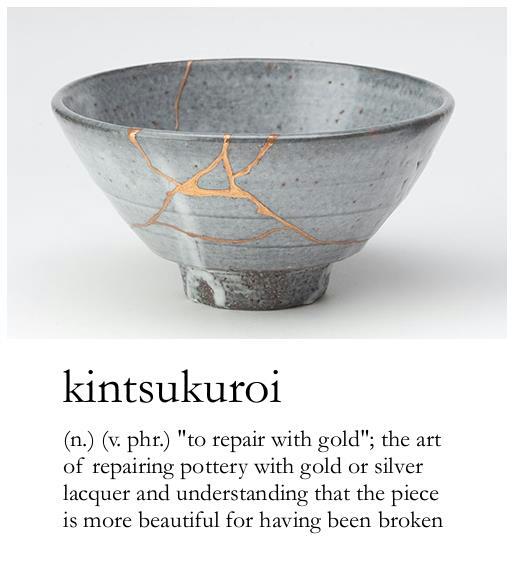
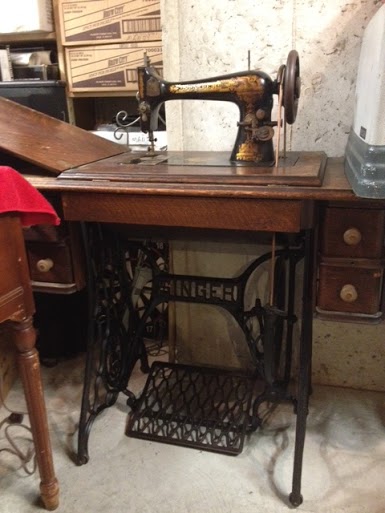
As a respite from said frustration, and because I always visit my grandparents on the weekend, and because my grandparents aid and abet my showing machine addiction by sending me sewing machine porn pictures during their flea market outings AND allowing me to stash my overflow in their basement, I decided to finish rebelting my Singer treadle! Months ago, my grandpa and I went on an hours-long drive to pick up this Craigslist find in a very cantankerous ex-hippy older man’s basement. He became much friendlier when I made it obvious I was not out to haggle and did not want to dismantle the machine and sell it as a foo-foo shabby chic table. Nothing against shabby chic, but seeing whitewashed cast iron hurts my little bitter heart. Apparently his too. He said he had bought it decades ago and an ex girlfriend used to sew on it during the 70s, but he had never gotten around to refinishing it as he’d hoped. It was dusty and had some staining and damage to the wood surface, and the machine is varnished and the decals have some serious wear. But that’s part of its appeal. There’s an aesthetic ideal called wabi sabi in Japan that I think of with old machines and antiques–beauty in imperfection, beauty in the natural cycle of decay with time, wear from use. I’ll spare you that rant, mostly, but it’s a fascinating subject. For example:

tumblr_mkfx5d5hp91ry2m62o1_540

So anyway, my treadle. It needed a belt, and a TON of oil, and some serious scrubbing and loosening of varnished parts. Replacing a treadle belt isn’t hard, exactly–you just buy a precut length of leather belting, or measure it with a string over its path through all the turns of the flywheel and balance wheel, and then you trim it to the point that it’s got enough tension against the wheels to turn the machine, but not too tight. According to the interwebz, a slightly loose belt works better, and some people even recommend violin bow rosin to help with the grip. (This and much more wisdom on treadle tips and tricks here.) It took some fiddling to get the length just right, and my grandpa used a very small drill bit to drill a hole on either end of the belt. The edges need to be trimmed so that the two ends of the belt butt up to one another, and then you crimp the staple that usually comes with the belting shut securely by squishing it just right with a pair of pliers. Grandpa has mad skills in this department. Tricky but nothing compared to the storm of swear words that I unleash on a vintage Husqvarna. I love the simplicity of these old machines so much. There is a very Zen pleasure that comes from playing around with them–and in the treadling action itself. It takes some getting used to, since the wheel will move in either direction when you initially start to pedal and it will break your thread if it moves away from you (for a Singer treadle–White and some other models move the opposite direction, though). But using a slight turn of the handwheel with my right hand to convince it to move the right direction really helps. So does using my hand to bring the wheel to a complete stop. I’m sure it gets easier with time and practice.

ad482788-770d-4fe6-8e1a-6d042b83e3f4

All cleaned up, cast iron cleaned with a rag and sewing machine oil, etc.

76ecbd99-d0d3-464c-aaa9-8db6eb328f84 (1)

Sphinx decals. So cool! Evidently the discovery of King Tut’s tomb led to Egyptomania in fashion during the 20s.

ac604c70-1548-4a0d-b45d-244b23c237ee

My grandpa shared a big chunk of the mancave for my machinery. I think he enjoys it, too.  The treadle to the right is table only, and was a gift from some friends who wanted it to go to a nice new obsessive’s home. It was missing the front drawer and the wooden pitman rod connecting the flywheel on the base to the treadle pedal part had been broken. So after months of scouring online, I found replacements for both. Evidently the pitman rods were made in metal as well as wood–I wish there were a contemporary source for these, although I suspect someone with woodworking skills would have no problem making a new wooden one. Alas, I do not.  My grandpa repainted the legs as he remembers them from his childhood. He did a wonderful job on them!

abb54768-8a04-468c-b618-896ae99a0611

The woman who it originally belonged to apparently loved that distinctive 70s green that the drawers are painted in. I don’t, and I hope to use some Citristrip one day to remove it. My partner jokes that one day I’m going to get us haunted by messing with the wrong antique. Let’s hope it’s not by refurbishing this one.

And also…I’ve been working on the pattern for this!

1887-young-ladys-tailor-jacket

It’s from a fashion magazine during the 1880s that came with a huge pattern insert. The pattern pieces are all printed on top of one another, so I have my work cut out for me. It’s quite a tangle. But–once I get my sloper perfected; fingers crossed for try #6–I’m looking forward to attempting it!

Anyone else have any treadle experiences? I’d love to hear about them!

Fitting Woes and Effin Slopers.

Grumpycat_meme1

I’ve sewn three slopers in the last two days. The only explanations I had left were a) I’m deformed b) I’m deformed and a terrible measurer or c) I’m deformed, a terrible measurer and I suck at digital drafting.

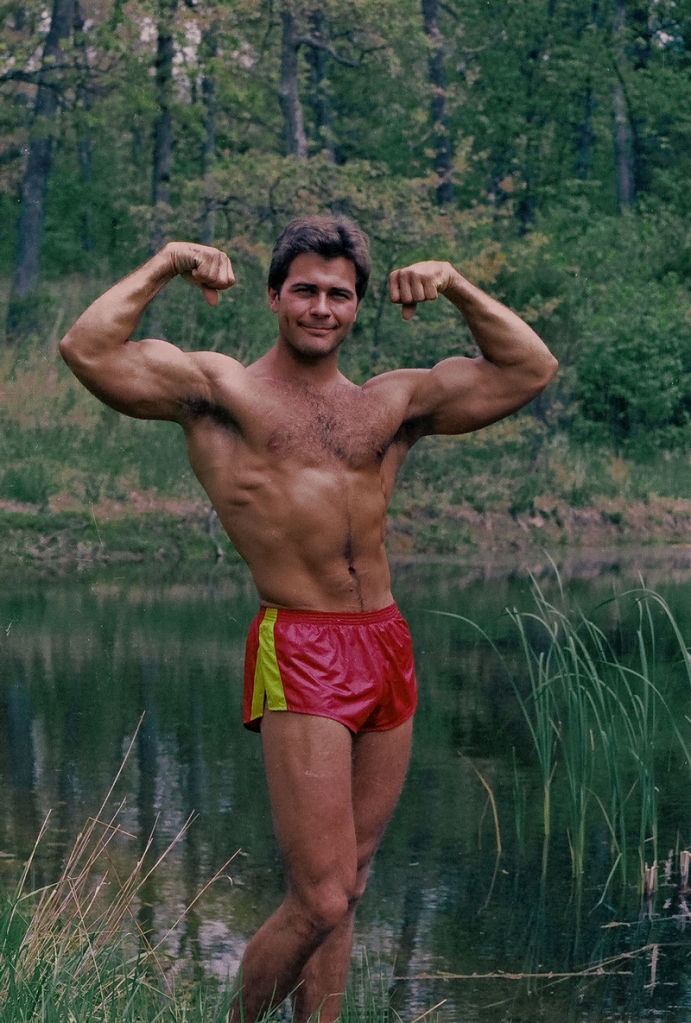
Let me show you why I am deformed. This is my dad:

dadbeingstatuesquelol

Don’t get me wrong, he was the best dad. He was funny and smart and so very, very kind. I miss him every single day, and credit him with what little patience and persistence I have. While my dad’s physique was quite the accomplishment, and while I am, of course, ever appreciative of the glorious blend of Arnold Schwarzenegger-isms and raw egg protein concoctions that comprised my childhood, THOSE BACK PROPORTIONS THOUGH. I inherited those lats, and I curse them every time I sew. (Alas I inherited neither his motivation to be super fit nor his abs, although I do okay–no sugar, healthy eating, etc. I just loathe any exercise that isn’t walking or dancing around my living room like Thom Yorke. Don’t do this barefoot; it’s a good way to break your foot. Ask me how I know this.) Also: my posture plagued my dad. He designed workouts to fix my forward shoulders, which back then I didn’t care about, being a stubborn kid who stooped mostly out of shyness. I still notice myself doing this when the social anxiety kicks in. The combination of broad man back I inherited from a long line of farmer strong brawler folk and my grunge era forward stoop means that fitting a bodice is a nightmare. NIGHTMARE. I also have pretty much no waistline and narrow hips, so that’s not fun when all my vintage patterns are drafted for someone who wore a girdle from age ten. I have been stubbornly fighting with the various pattern fitting possibilities since I began sewing. In the last few days, in a veritable paroxysm of determination, I have tried:

-a forward shoulder adjustment
-a round back adjustment
-a broad shoulder adjustment
-a sloped shoulder adjustment
-lowered armhole
-shoulder seam darts
-neck darts
-drafting a bodice block from my measurements using two different systems

It has been so incredibly frustrating. I can get a block to fit my torso, kind of, using these methods. But as soon as I add sleeves, my broad back renders any forward motion of my arms impossible. The fit is uncomfortable AF. So after the failure of attempt number 3, I broke out the duct tape dress form and tried draping again. I tried this in the past, but wasn’t very practiced, so my results weren’t the best and I sort of let it fall by the wayside. But this time, after all the math and all the frustration, it was easy as pie.

I was going about it all wrong. I’m not deformed; I just have a manbody. And I’m not even that bad at drafting, but all the formulas I was using were based on creating blocks for a much more stereotypically feminine form. The final blocks I came up via draping look way more like this:

mensvest

than anything even vaguely resembling this:

woman's sloper2

and I wonder how many other women with petite, larger waisted, broad backed figures are also making themselves crazy trying to make the formulas work for them when (it would seem) the basic proportions involved are wrong from the start. From now on for myself it’s all man-blocks. I actually had already gone this route for a few pairs of pants, hellbent on not risking the cameltoe look. They work great, actually. And since most of what I want to sew channels Lilith from Frasier and the tailored suit look, blocks designed for men with a slight bust adjustment might be far less of a headache for me.

If anyone else has been through the gauntlet of these particular fitting issues and knows of any solutions, I would *love* to hear about it! I’m also very curious about the theoretical differences in drafting for men vs women. It seems like the tailor / couturier-dressmaker traditions were historically quite separate industries, which I don’t fully understand the reasons for and will have to read up on.  But it seems like the basic methods of drafting should be universal, regardless of the figure? I’m also curious about how many people have fitting problems because of the standard male vs standard female figure used for drafting…


Oh, You Pretty Things: Poiret and the 1910s-20s

Sometimes I have to drown out the ugliness of the world with the beauty of human nature and human works. So this week there have been a lot of kitten videos, avoiding of facebook and beauty for its own sake. Just thought I’d share some of my current happy micro-obsession with Poiret, the art deco fashion illustration of the 20s, and the multiculturally inspired, out-with-the-corset elegance of the 10s. Many of these are Poiret designs, and many are Barbier illustrations.

Free Sewing Inspiration: ABC of Dress by Harry Collins

Oh internet. Daily you force me to confront the best and the worst in humanity. *waits for pizza ordered online thus avoiding the dread and horror of talking to real humans on the phone* Is there a special circle of hell for people who claim to be book lovers and knowledge preservers who just sit back and profit off of some poor publicly funded librarian’s scanning efforts? I would like to think so. (I noticed this book, and many others, from archive.org listed on Etsy, being sold as someone’s own work. The listing *did* make me sit up and take notice of the book’s content, which is a plus, but also depresses/frustrates/enrages me bc there are sellers who just take others’ work and sell it as their own.)

But where was I? OH YES. Art deco 1920s excellence that I wouldn’t have ever found had I not been snarkresearching on this Etsy seller’s stock. This book by Harry Collins called the ABC of Dress is part dressing guide, part dressmaking guide and the illustrations are gorgeous:

Wanna download it? A variety of formats available (here) free of charge, thanks to the indefatigable wonderful folks at archive.org.

Finished Objects: Vionnet Abomination–Er, Attempt–#1

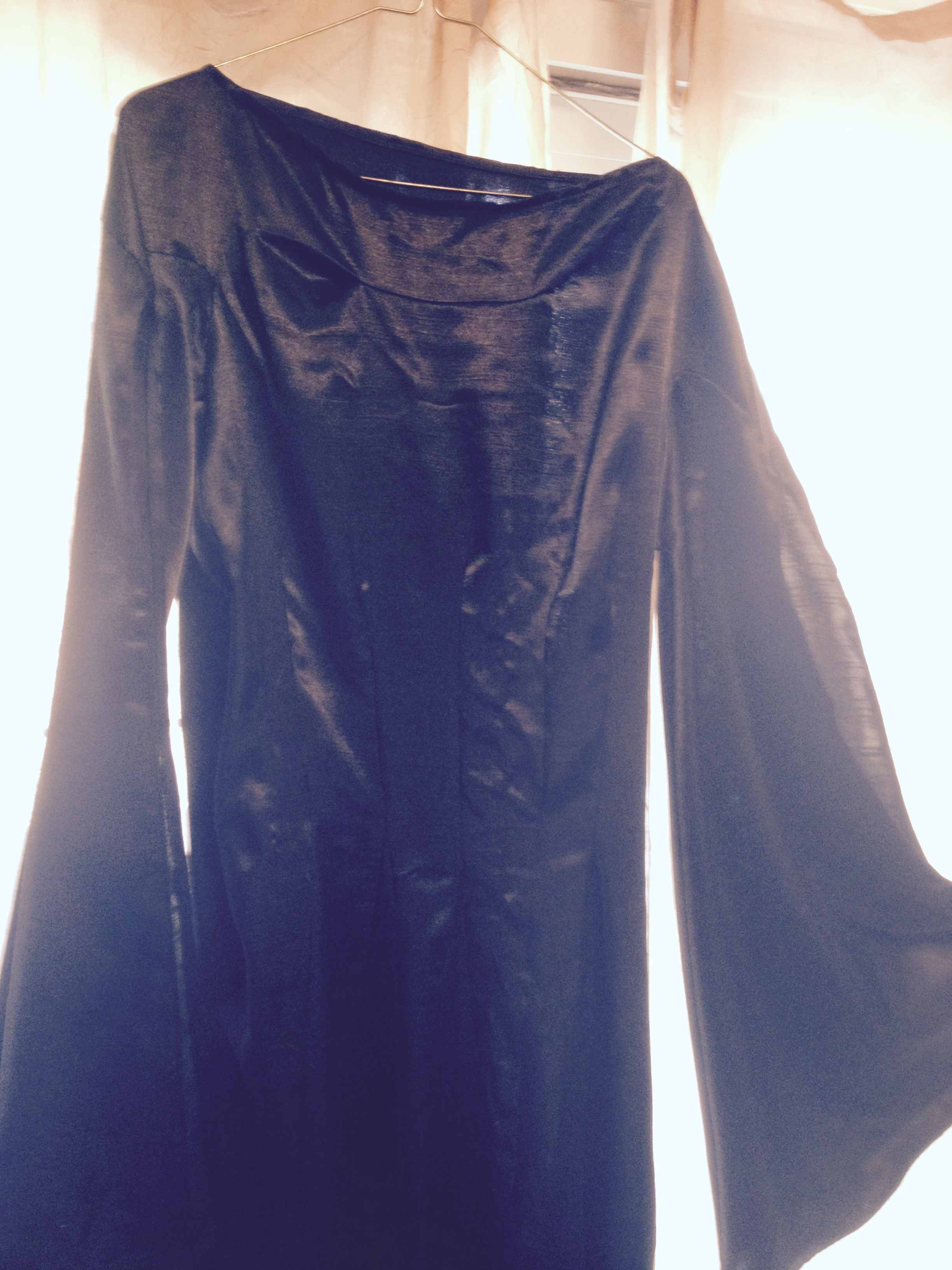
I finished what I have affectionately termed the squid Vionnet, although not to my liking and, as per usual, at the last minute. I spent a month working on digitally drafting the pattern so that I could make an epic Halloween dress, then life got crazy, then I couldn’t get my printer to print the pattern correctly, then time got short and no muslin was made. I used my semi-crappy black $2/yard clearance shantung because I wanted to keep the stakes low but still have a slim chance of resulting in a pretty dress. My measurements of the flat pattern did not translate well into the sewn garment, alas, which necessitated some major gusset type side insertions on the fly. These insertions threw off the lovely hang of the garment, but I used an Old Hollywood trick and corrected the fit on my body, which required some seam ripping myself out of it later. Alas, no pics. (Is it just me or are 30something mothers frequently absent from the photo documentation of family life? Too old / gen x for unabashed selfie taking, and usually too busy trying to make sure the youngun isn’t swinging from the chandelier to actually look in the direction of a camera…)

The squid dress in theory:

vionnet21

pattern
The squid dress in 2d theory.
pattern2
88 pages. This is why I buy sugarcane environmental happy hippie paper by the case.
dress1
The squid dress in post-wear lumpy reality.

dress2

Be it ever so humble, it does represent a moral victory of sorts. I cranked this sucker out in about eight hours sewing time and, had the fit been correct initially, it would have been pretty amazing. It didn’t even disintegrate! So let’s call this a muslin. I love the sleeves. I couldn’t really see it from the pattern pieces, but upon assembly it was essentially a kimono or dropped shoulder sleeve in the front with a horizontal tuck to give the neckline some drape, and a raglan type join at the back.  I plan to reattempt it as a blouse, with slightly less extravagantly eveningwear type Cersei sleeves, because the design itself is lovely. Consider me even more of a Vionnet fangirl after actually trying to sew her pattern.

1930s Fashions: Mode Illustree and Vionnet Designs

modeillustree1

Anyone ever sewn from a Mode Illustree pattern sheet? Wowza. This has got to be a great brain-aging preventative if ever there was one.

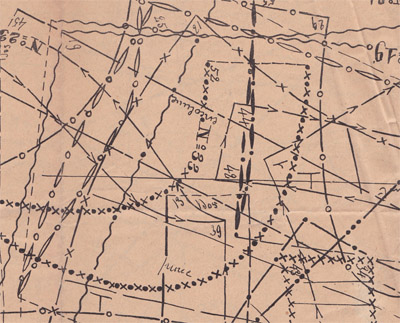
Mode Illustree was a French fashion/home magazine published weekly from the 1859 until at least the 1930s–I haven’t seen any later examples, but they may very well be out there. I was lucky enough to find a few with the original pattern sheets, which are a large sheet with all the pattern pieces traced on top of one another with different lines. A bit of a tangle to wrap the head around. I guess the idea is to trace them onto paper and voila, you have your pattern.

It has taken me roughly three days, but I have finally gotten it drafted (digitally!) to the point of being ready to print it out and test it. The patterns for Mode Illustree are all listed as size 44, which at least in this 1930 version is for a 70cm waist, 94cm bust and 100cm hip (27.5in waist, 37in bust, 39.4ish waist). That waistline is *not* gonna fly, but we’ll see how it goes.

My other current perseverations: pondering the mysteries of the math behind radial grading systems (how does Lutterloh do it??! and how does one create a pattern that can be drafted in this way? *and* how does one blend sizing in this system?) There is a little bit about this in the book The Victorian Tailor but I have been too scattered to really focus on that book like it deserves. And ever since witness2fashion’s wonderful posts on Vionnet, I’m planning on trying a Vionnet (for a Halloween costume wedding reception dress!):

vionnet21

I love so much about this dress. I love it’s Cersei-esque I-will-cut-you style feminity. It’s flowing and feminine without being revealing. Which means a) I won’t be bitterly cold and b) may not even have to worry about shaving my legs and c) I run zero risk of wardrobe malfunction. For a form fitting flowing dress like this, though, some homemade Spanx might be a necessity. But I digress.

This is from The Bunka Fashion College’s book on Vionnet, which gives diagrams that can be enlarged to draft patterns for 20+ designs based off of actual garments. I have vain aspirations of working my way through it to learn everything I can from hands-on practice with her technique, but given my sewing ADD in this post alone, it’s unlikely that will ever happen. (I go from obsessing on 1860s sleeves to 1930s cowls to 1970s tunics over the course of a day. Is there a name for this obsessive interest roulette wheel my consciousness turns on?) But the book is amazing. It’s in Japanese only, but the illustrations are remarkably clear.

The pattern pieces for this one are mindboggling:

isthatyouearlycuyler

I’m looking forward to trying it. Has anyone tried any Vionnet type designs? I’d love to hear about your experiences!

Things I Hoard: Modes & Travaux

If memory serves me, this French language publication began in the 1920s or slightly earlier, and is still in publication. It features fashion, knitting and embroidery, and many of the ones I have from the 30s still have an included iron on transfer sheet with embroidery designs. As part of my learning curve with digitization methods, I’ve been playing around with one from the 1930s with some gorgeous designs by Maggy-Rouff, Molyneux and Lelong in it. It’s gorgeous, as most illustrated fashion magazines of the era seem to be. (I think I like illustration better than photography in my fashion mags, even though the illustrations definitely seduce me into sewing things that aren’t going to flatter my body but look great in theory on a drawn person whose waist is roughly 12″ around and who stands at least 7′ tall.)

001

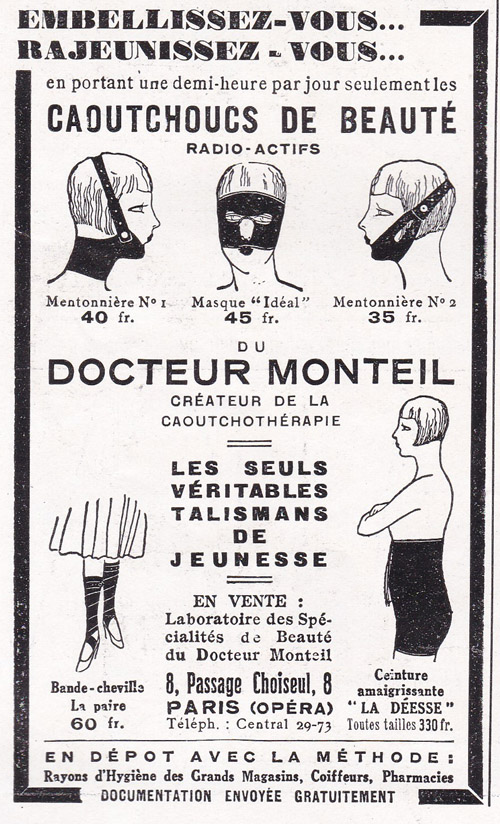
Another thing I love about these old publications is the window they provide into the day to day life of their era. We tend to think of the past as if it were so different, but all the advertising in these speaks to the same things we worry about today–wrinkles, our weight, our hair color, that ever elusive glamor we want for ourselves. Unlike some of my friends who tend to think that technology is revolutionizing our consciousness, etc etc, I tend to think that the human heart stays mostly the same. We all worry about the same things, we all need the same intangible things from each other, whether it’s 1700 or 2015. But outside of the context of one’s era, certain things do seem bizarre…like whatever this beauty treatment ad is offering (if radio-actifs means what I think it does, omg, way to redefine youthful glow):

You, too, can own your very own beauty ball gag.

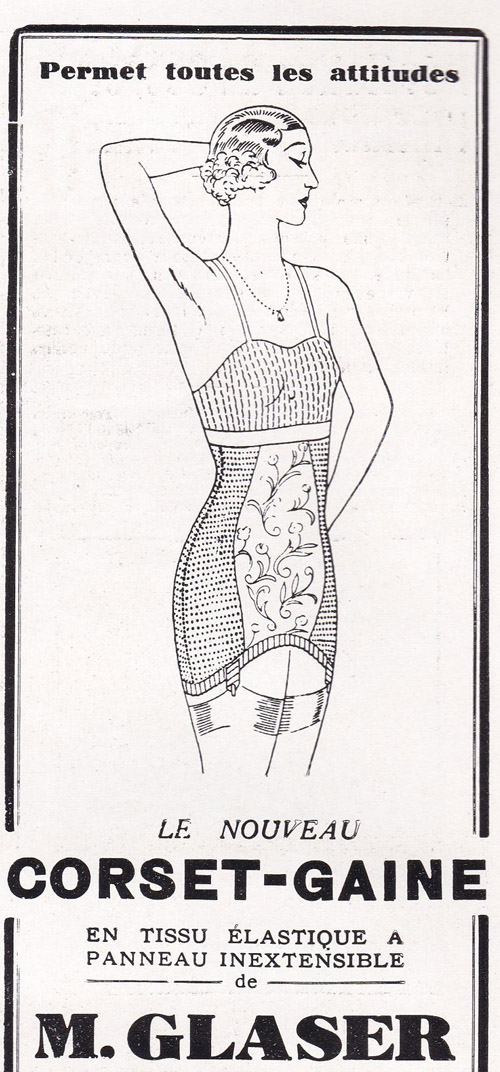
Another thing I can’t get enough of is old lingerie advertisements and design.

bra ad corset ad

So pretty! So I managed to digitize it all and have it not be distorted, overly blurry or overly contrasted–if you’d like the entire pdf, I’m making it available for free download for a day or two 🙂 enjoy!

modes travaux – 1932 nov 1

Digitization Issues, or, Text or Image, that is the Question

Been working on the ol’ book hoard. I’m having major issues with image/text readability as I attempt to convert books to formats that are readable but remain  20MB or smaller…This is my best yet solution:

03t06tI’m just curious what other people think of this reproduction style. I think I’ve stared at it for too long. I’m not crazy about the look of the text, but to me I prefer a less pleasurable text block with a fine illustration. Alas, a full color copy of the scans won’t give me a manageable final filesize either…more experimenting to come I’m sure.

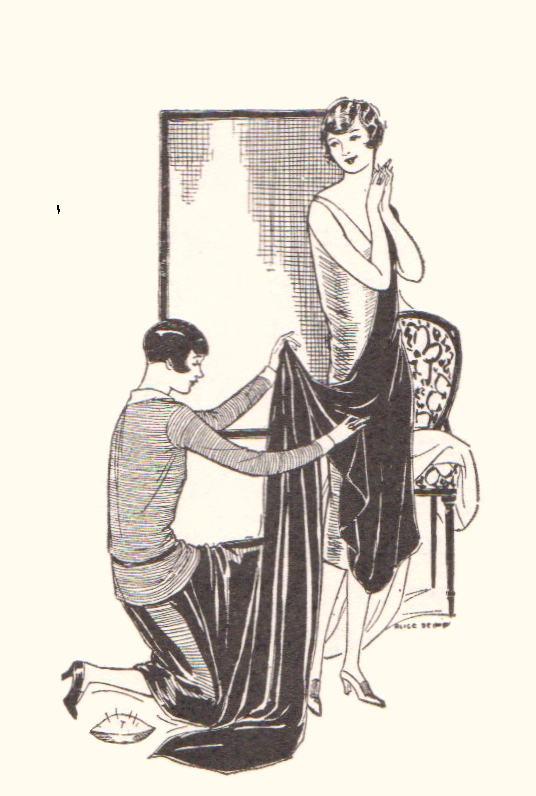
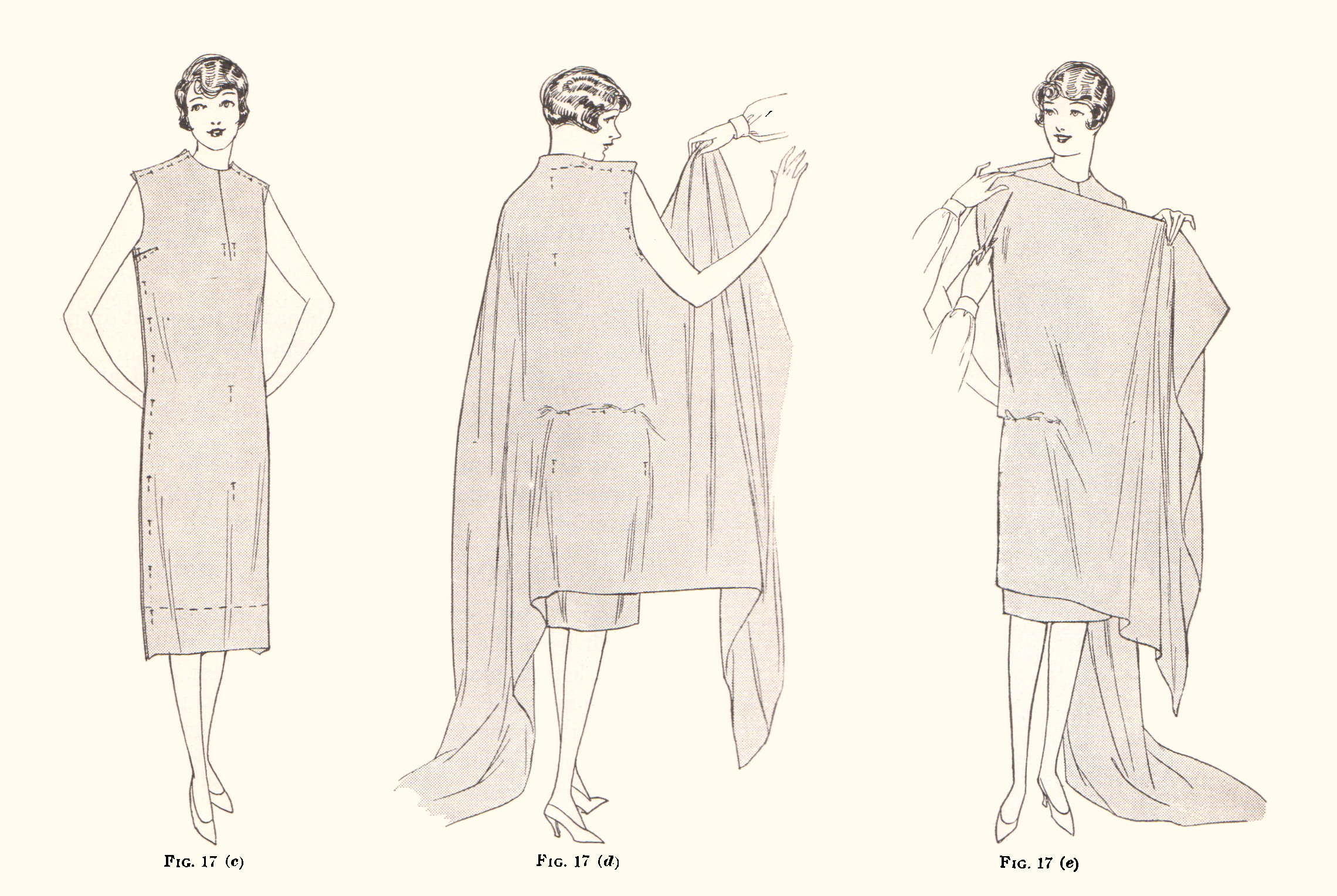
But also just for funspiration–some images from the Woman’s Institute Designing and Draping book, all by Alice Seipp:

aliceseippdraping1 aliceseippdraping3 aliceseippdraping4 aliceseippdraping5 aliceseippdraping6

I used this method on another really rough copy of a book and it worked out great, giving me images like this:

07

*swoon*, right? That is from a Weldon’s Modern Bride–it was full of all these grease spots and totally disintegrating, so I’m totally happy with this. It’s on Etsy, actually–here–along with some of my other recent stuff. Shameless plug, yes? It’s been a good channel to funnel my OCD into I guess.