

I’ve sewn three slopers in the last two days. The only explanations I had left were a) I’m deformed b) I’m deformed and a terrible measurer or c) I’m deformed, a terrible measurer and I suck at digital drafting.
Let me show you why I am deformed. This is my dad:
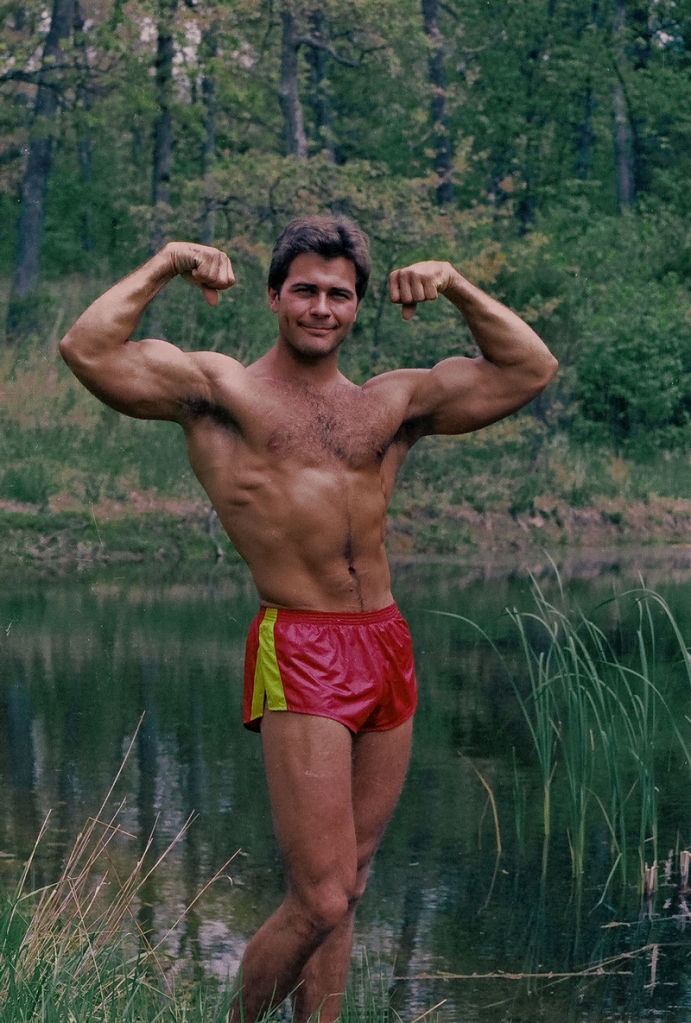
Don’t get me wrong, he was the best dad. He was funny and smart and so very, very kind. I miss him every single day, and credit him with what little patience and persistence I have. While my dad’s physique was quite the accomplishment, and while I am, of course, ever appreciative of the glorious blend of Arnold Schwarzenegger-isms and raw egg protein concoctions that comprised my childhood, THOSE BACK PROPORTIONS THOUGH. I inherited those lats, and I curse them every time I sew. (Alas I inherited neither his motivation to be super fit nor his abs, although I do okay–no sugar, healthy eating, etc. I just loathe any exercise that isn’t walking or dancing around my living room like Thom Yorke. Don’t do this barefoot; it’s a good way to break your foot. Ask me how I know this.) Also: my posture plagued my dad. He designed workouts to fix my forward shoulders, which back then I didn’t care about, being a stubborn kid who stooped mostly out of shyness. I still notice myself doing this when the social anxiety kicks in. The combination of broad man back I inherited from a long line of farmer strong brawler folk and my grunge era forward stoop means that fitting a bodice is a nightmare. NIGHTMARE. I also have pretty much no waistline and narrow hips, so that’s not fun when all my vintage patterns are drafted for someone who wore a girdle from age ten. I have been stubbornly fighting with the various pattern fitting possibilities since I began sewing. In the last few days, in a veritable paroxysm of determination, I have tried:
-a forward shoulder adjustment
-a round back adjustment
-a broad shoulder adjustment
-a sloped shoulder adjustment
-lowered armhole
-shoulder seam darts
-neck darts
-drafting a bodice block from my measurements using two different systems
It has been so incredibly frustrating. I can get a block to fit my torso, kind of, using these methods. But as soon as I add sleeves, my broad back renders any forward motion of my arms impossible. The fit is uncomfortable AF. So after the failure of attempt number 3, I broke out the duct tape dress form and tried draping again. I tried this in the past, but wasn’t very practiced, so my results weren’t the best and I sort of let it fall by the wayside. But this time, after all the math and all the frustration, it was easy as pie.
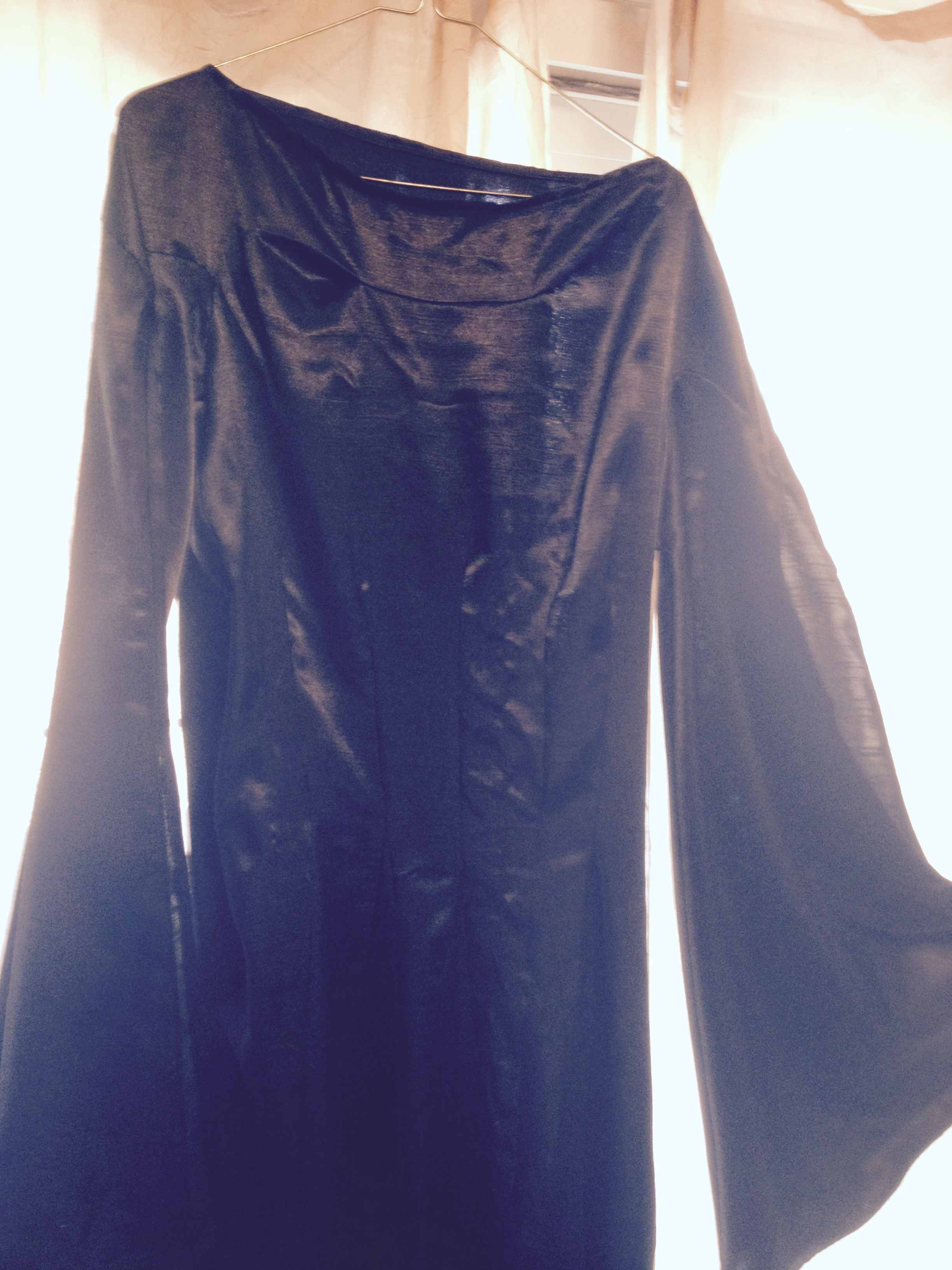
I was going about it all wrong. I’m not deformed; I just have a manbody. And I’m not even that bad at drafting, but all the formulas I was using were based on creating blocks for a much more stereotypically feminine form. The final blocks I came up via draping look way more like this:

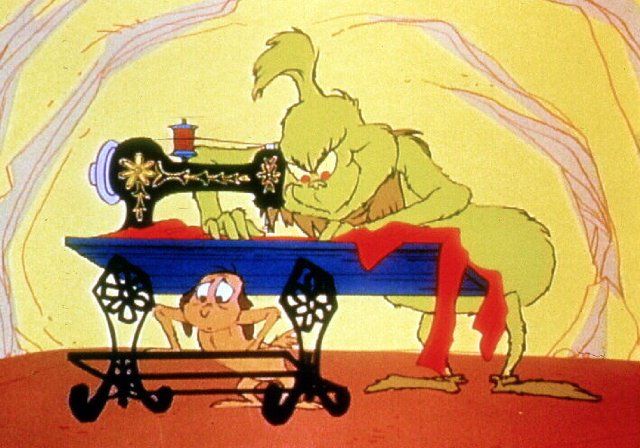
than anything even vaguely resembling this:

and I wonder how many other women with petite, larger waisted, broad backed figures are also making themselves crazy trying to make the formulas work for them when (it would seem) the basic proportions involved are wrong from the start. From now on for myself it’s all man-blocks. I actually had already gone this route for a few pairs of pants, hellbent on not risking the cameltoe look. They work great, actually. And since most of what I want to sew channels Lilith from Frasier and the tailored suit look, blocks designed for men with a slight bust adjustment might be far less of a headache for me.
If anyone else has been through the gauntlet of these particular fitting issues and knows of any solutions, I would *love* to hear about it! I’m also very curious about the theoretical differences in drafting for men vs women. It seems like the tailor / couturier-dressmaker traditions were historically quite separate industries, which I don’t fully understand the reasons for and will have to read up on. But it seems like the basic methods of drafting should be universal, regardless of the figure? I’m also curious about how many people have fitting problems because of the standard male vs standard female figure used for drafting…




 a word is elegy to what it signifies